
???? Join 60,000+ learners who trust YHills to upskill — one course at a time.


6 Major Phases of Website Development: A Step-by-Step Process.
The process of developing or making a website can be tedious and time-consuming, with lots of commitment required. You have to plan out every step, ensuring that nothing is left out which could affect the final outcome.
It’s not just one big task—it’s made up of many different steps, all of which take time.
People often think that website development is just one task with no beginning or end, however it is actually composed of major steps, all of which take time.
In this article, we’ll explore the major steps of website development. When you understand what goes into each stage, it will be easier to plan your own project and make sure everything happens on time—which is critical in today’s fast-paced world.
What is Website Development?
Website development is the process of creating and building a website. It involves designing, coding, and programming functionalities to create an attractive layout that can be used by end-users.
It’s the behind-the-scenes work that transforms a concept or idea into a functional and visually appealing website.
Overall, website development is the key to bringing websites to life on the internet.
Why Should You Follow a Process When Building Websites?
Following the established process of the web development process offers several advantages, leading to a more efficient, successful, and satisfying project outcomes.

Here are some reasons why following a process is a good idea:
Improved Project Planning and Management
- Clear roadmap: The structured process provides a clear roadmap for the project, ensuring consistency and clarity for everyone involved.
- Defined goals and expectations: Each step clearly defines goals and expectations, minimizing confusion and miscommunication.
- Efficient resource allocation: Resources like time, budget, and personnel can be allocated and managed effectively based on each stage’s specific requirements.
Enhanced User Experience and Quality
- Focus on user needs: The process emphasizes understanding user needs and designing the website around them, leading to a more intuitive and user-friendly experience.
- Thorough testing and optimization: Each stage involves testing and optimization, resulting in a website that functions flawlessly and performs well across various devices and browsers.
- Reduced errors and bugs: Following a well-defined process helps identify and fix errors early on, ensuring a high-quality website with minimal glitches.
Increased Cost-Effectiveness and Timeliness
- Avoiding rework: The structured approach minimizes rework by addressing potential issues early, saving time and resources in the long run.
- Predictable timelines: Each step has a dedicated time frame, allowing for predictable project completion and delivery within budget.
- Better decision making: Following the process encourages data-driven decisions based on research, testing, and analysis, leading to cost-effective solutions.
Improved Team Collaboration and Communication
- Clear roles and responsibilities: The defined stages assign specific roles and responsibilities to team members, facilitating clear communication and collaboration.
- Shared understanding: Everyone involved has a shared understanding of project goals, expectations, and progress, fostering a more cohesive and efficient team environment.
- Reduced risks and uncertainties: Following a proven process helps mitigate risks and uncertainties, leading to a more predictable and successful project outcome.
What Are the Various Steps of Web Site Development?
The development of a web site can be broken down into 6 different steps , each with its own set of key tasks and activities.
They are as follows:
Step 1: Planning and Research
You start by talking to the client to understand what they want for their website. Ask questions and get the details to make a plan. This step is like drawing the map before going on a trip—it helps you know where you’re going and how to get there.
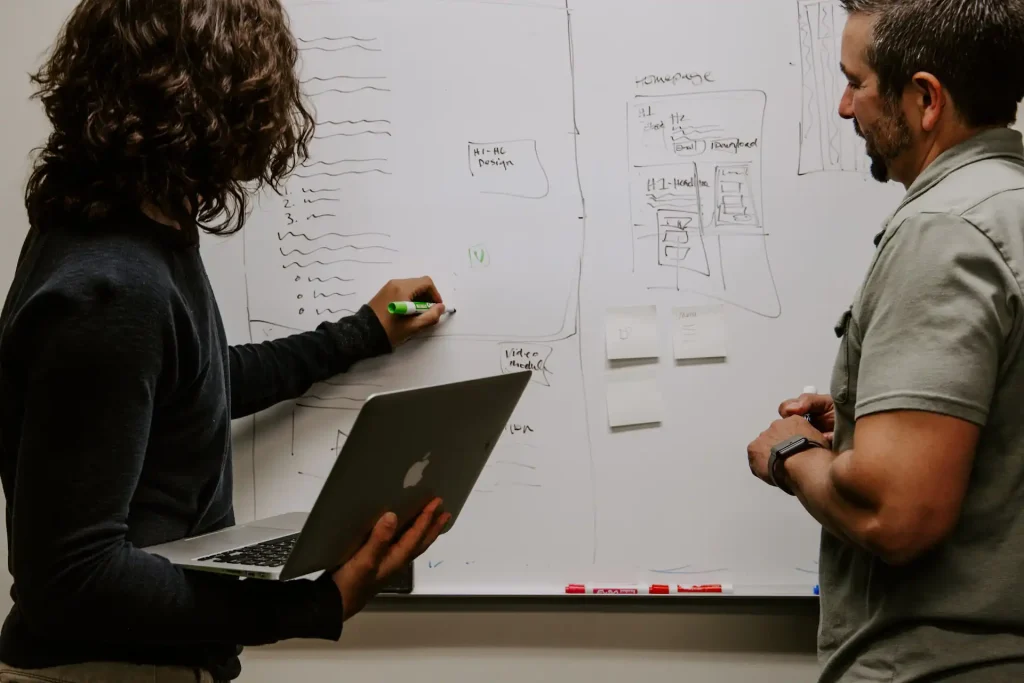
Step 2: Design and Wireframing
Now, it’s time to make the website look good and easy to use. Think about what users will like. Before drawing the detailed design, make a simple sketch called a wireframe. It’s like drawing the outlines before coloring in a picture. This step saves time and guides your design.

Step 3: Development and Coding
Pick the right tools to bring your design to life. Choose a tech stack that fits your project. Write code following best practices, like cooking with the right ingredients. Work with your coding team and use version control for smooth teamwork. It’s like building with Legos—each piece has a specific job.

Step 4: Testing and Quality Assurance
Testing is like checking if your car runs well before driving it. Make sure your website works smoothly. Run different tests for different things—like checking if all the buttons work and if your website is safe from hackers. It’s like making sure your house is safe and comfy.

Step 5: Deployment and Launch
Now, it’s time to show your website to the world. Choose where your website will live online, plan how to launch it, and watch closely after it’s live. It’s like throwing a party for your website, and you want everything to go smoothly.

Step 6: Maintenance and Updates
Your website is live, but the work isn’t over. Check your website regularly, fix any issues, and listen to what users say. It’s like taking care of a pet—feeding it, giving it check-ups, and making sure it’s happy. This step keeps your website healthy and up-to-date.

Things to Remember while Building a Website
Now that you’ve learned about the different steps involved in creating a website, let’s talk about the things you should remember and prioritize while building an effective site that will help meet your goals.
Set Clear Goals
Before diving in, know what you want your website to achieve. Define clear goals that guide your decisions throughout the process.
Know Your Audience
Understand who will be using your website. Tailor your design and content to meet the needs of your target audience.
Keep It Simple
Simplicity is key. A clean design and straightforward navigation make for a better user experience.
Mobile-Friendly is a Must
Many users access websites on their phones. Ensure your website looks good and works well on various devices.
Quality Content Matters
Content is king. Provide valuable and relevant information. Engage your audience with compelling text, images, and multimedia.
Test, Test, Test
Don’t skip testing. Check your website on different browsers and devices to catch any glitches before going live.
Optimize for Speed
A slow website can turn visitors away. Optimize images and code to ensure your site loads quickly.
Prioritize Security
Protect your website and its users. Keep software up to date, use secure connections, and implement strong passwords.
Plan for Scalability
Think ahead. Your website may grow, so plan for scalability to accommodate increased traffic and content.
Stay Updated
Technology evolves. Regularly update your website’s software, content, and design to stay current and appealing.
YHills Can Help You Learn More About Website Development
We offer affordable, professional web development course for students and professionals. Whether you want to build your own site or enhance your career prospects with some extra training, we can help!
So, if you want to find out more about web development, or if you’re ready to take the plunge and learn how to create your own website, then get in touch with us today!